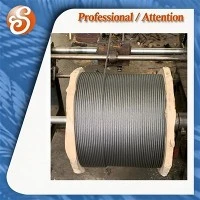
Steel wire rope is widely used in cranes, hoists, winches, elevators and lifting equipment. During operation, repeated bending, tension, abrasion, corrosion and environmental exposure can gradually affect rope performance.
Regular steel wire rope inspection helps identify visible damage before it becomes a more serious problem. OSHA requires visual inspection of certain crane wire ropes before shifts and identifies conditions such as broken wires, significant corrosion, kinking, crushing, birdcaging and heat damage as inspection concerns.
Here are seven common signs to check.

Broken Wires
Broken wires are one of the most important signs of wire rope deterioration.
Look for individual wires that are broken, protruding or concentrated in one area. Broken wires can result from bending fatigue, abrasion, overloading and repeated service.

Abrasion and Wear
Repeated contact with sheaves, drums and other equipment components can cause external wire wear.
Check whether the outer wires appear flattened, worn or noticeably reduced in diameter. Severe abrasion can reduce the rope's effective strength.
Corrosion
Rust, pitting and other signs of wire rope corrosion should not be ignored.
Corrosion can occur on the outside of the rope and may also affect internal wires. The working environment, moisture, chemicals and insufficient lubrication can all influence corrosion and deterioration.


Kinking, Crushing and Birdcaging
Look for obvious wire rope distortion, including:
Kinking
Crushing
Unstranding
Birdcaging
Core protrusion
These conditions can change the original rope geometry and may significantly affect rope performance. OSHA specifically lists these forms of distortion among apparent wire-rope deficiencies.

Reduction in Rope Diameter
A gradual reduction in wire rope diameter can indicate external wear, internal corrosion, loss of core support or other deterioration.
For this reason, rope diameter should be checked at appropriate inspection points and compared with the nominal diameter and applicable requirements. OSHA identifies diameter reduction as an important inspection factor.
Heat or Arc Damage
High temperatures and electrical arcing can damage steel wire rope.
During inspection, look for discoloration, fused wires or other visible evidence of heat damage. Such damage can affect the mechanical properties of the rope and requires careful evaluation.
Damaged End Connections and Core Problems
The inspection should not stop at the rope itself. Check end fittings, sockets, clips and other terminations for cracks, deformation, corrosion or excessive wear.
Also look for signs of core failure, such as unusual rope distortion or core protrusion.
Final Checklist
When performing a steel wire rope inspection, check:
✓ Broken wires
✓ Abrasion and wear
✓ Corrosion
✓ Kinking, crushing and birdcaging
✓ Diameter reduction
✓ Heat or arc damage
✓ End connections and core condition
The exact inspection frequency and removal criteria depend on the rope type, equipment, application and applicable safety standard. Always follow the manufacturer's instructions and the relevant local regulations.
For cranes and lifting equipment, regular crane wire rope inspection is an important part of preventive maintenance and safe operation.