Introduction
Steel wire ropes are essential components in mining, marine operations, and construction projects. However, choosing the right wire rope is not just about diameter or breaking strength. The core type also plays an important role in rope performance.
The two common options are Steel Core (IWRC) and Fiber Core (FC) wire ropes. Each has different characteristics and advantages. So, which one is more suitable for your application?

1. Steel Core vs. Fiber Core: What's the Difference?

Steel Core Wire Rope (IWRC)
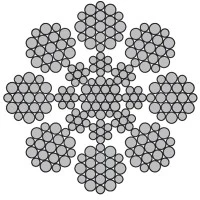
IWRC stands for Independent Wire Rope Core. It uses a separate steel wire rope as the central core. Its main advantages include: Higher overall breaking strength in comparable constructions Better resistance to crushing and deformation Better support under heavy loads Better resistance to high operating temperatures than fiber core

Fiber Core Wire Rope (FC)
Fiber Core wire rope uses natural or synthetic fibers as its central core. Natural fibers may include hemp, sisal, or manila, while polypropylene is a common synthetic option. Its main advantages include: Greater flexibility in many comparable constructions Good cushioning and elasticity Ability to retain lubricant within the core Lighter weight than a comparable steel-core rope In general, steel core ropes are suitable for demanding heavy-duty conditions, while fiber core ropes are useful where flexibility is an important requirement.
2. Which Core Is Better for Mining Applications?
Mining operations often involve heavy loads, lifting equipment, mine hoists, and winches. Wire ropes may experience high tension, repeated bending, and pressure from drums.
Steel Core Wire Rope
IWRC wire ropes are often preferred for heavy-duty mining applications because they provide better structural support and resistance to crushing. They are particularly worth considering for equipment involving high loads or multi-layer drum winding.
Fiber Core Wire Rope
Fiber core ropes may be suitable for certain lighter-duty or application-specific lifting operations where flexibility is important and the equipment is designed for FC ropes.
For demanding mine hoisting applications, the rope manufacturer's specifications and equipment requirements should always guide the selection.
3. Which Core Is Better for Marine Applications?
Marine and port operations include ship cranes, deck machinery, mooring systems, winches, and cargo-handling equipment.
Steel Core Wire Rope
Steel core ropes are commonly considered for heavy-duty marine lifting and port equipment. Their strength and resistance to crushing can be beneficial when handling heavy loads or operating with multi-layer drums.
Fiber Core Wire Rope
Fiber core ropes can be suitable for selected marine applications where flexibility and cushioning are important, depending on the equipment design.
For marine environments, core selection is only one consideration. Galvanized or other suitable corrosion-resistant wire, proper lubrication, and regular inspection are also important when ropes are exposed to moisture and salt air.
4. Which Core Is Better for Construction Applications?
Construction sites use wire ropes in tower cranes, crawler cranes, construction hoists, winches, and lifting equipment.
Steel Core Wire Rope
IWRC is often a suitable choice for heavy-duty cranes and construction equipment, especially where high loads and multi-layer drum winding create crushing pressure.
Fiber Core Wire Rope
FC wire ropes can be used in selected general-purpose lifting and hoisting applications where flexibility is required and the equipment manufacturer permits their use.
Before choosing, buyers should check the crane specifications, drum arrangement, lifting capacity, and operating frequency.
5. How to Choose the Right Wire Rope Core?
There is no universal answer for every application. Before purchasing, consider these important factors:
Working load: Check the required minimum breaking force and safety requirements.
Drum winding: Multi-layer winding generally favors steel core ropes because of their better resistance to crushing.
Flexibility: Fiber core ropes may be preferred where greater flexibility is needed.
Working temperature: Steel core ropes are generally more suitable for higher-temperature conditions.
Operating environment: Consider moisture, salt exposure, lubrication, and maintenance requirements.
Equipment specifications: Always follow the equipment manufacturer's recommendations and applicable standards.
Choosing the right core helps improve rope performance, reliability, and service life.
6. Nantong Shenwei – Your Steel Wire Rope Manufacturer
Established in 1994, Nantong Shenwei Steel Wire Rope Co., Ltd. specializes in manufacturing and exporting steel wire ropes for a wide range of industrial applications.
Our product range includes steel core wire ropes, fiber core wire ropes, galvanized steel wire ropes, ungalvanized steel wire ropes, stainless steel wire ropes, PVC-coated wire ropes, elevator wire ropes, and wire rope slings. We provide different rope constructions, diameters, lengths, and packaging options to meet various customer requirements. Whether you need steel core or fiber core wire ropes for mining, marine, construction, or other industrial applications, we welcome your inquiries.

Contact Nantong Shenwei for customized steel wire rope solutions.
Website: https://www.shenwei-steelwirerope.com/
Email: nt@sw-steelwirerope.com
WhatsApp: +86 13708399562