Introduction
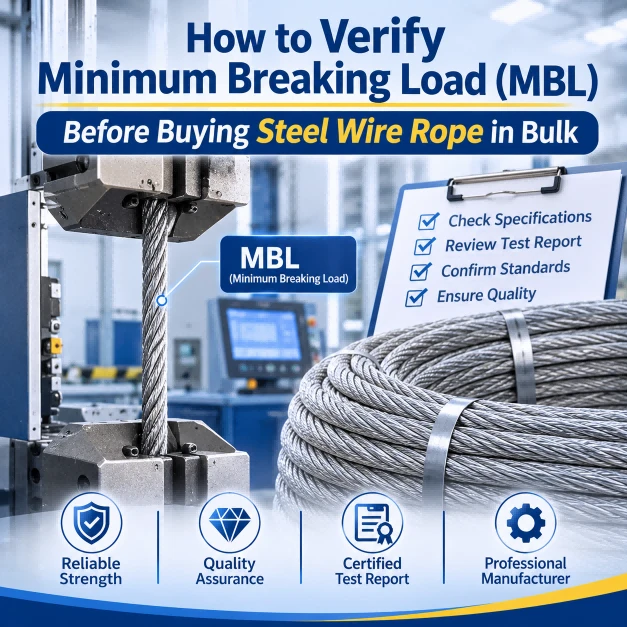
When purchasing steel wire rope in bulk, checking the minimum breaking load (MBL) is essential for ensuring product safety and reliability.
A wire rope may look identical to another in appearance, but its breaking performance can vary depending on rope construction, wire diameter, steel grade, core type, and manufacturing quality.
For buyers, simply checking the MBL value on a quotation or product datasheet is not enough. It is important to confirm that the specified value matches the actual rope and is supported by reliable test documentation.
Table of Contents
In this guide, we explain how to check steel wire rope MBL, understand test reports, and reduce purchasing risks before placing a bulk order.
Minimum Breaking Load (MBL), also commonly referred to as Minimum Breaking Force (MBF) in wire rope standards, is the specified minimum force that a wire rope must meet in a prescribed breaking force test.
It indicates the rope's minimum breaking performance under defined testing conditions.
MBL is commonly expressed in kilonewtons (kN) or tonnes-force (tf). Buyers should always check the unit used in the technical specification to avoid misunderstandings.
For example, a wire rope with a specified minimum breaking force of 100 kN must meet or exceed that value under the applicable test requirements.
Important: MBL is not the recommended working load. The actual safe working load must be determined using the appropriate design factors and applicable regulations.
The breaking force of steel wire rope depends on several important specifications.
1. Rope Diameter
Generally, a larger rope diameter provides a greater metallic cross-sectional area and can support a higher breaking force, provided other design factors are comparable.
2. Rope Construction
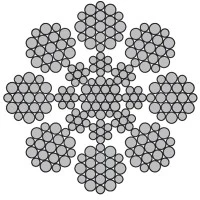
Different constructions contain different numbers and arrangements of wires.
Common examples include 6×19, 6×37, 8×19, and 35×7. Their metallic cross-sectional areas and construction factors differ, affecting the final breaking force.
3. Tensile Strength Grade
Steel wire tensile strength is commonly specified in grades such as 1570, 1770, 1960, or 2160 N/mm².
A higher tensile strength grade can contribute to a higher rope breaking force, but the final value also depends on the construction and other design parameters.
4. Core Type
Common core types include Fiber Core (FC) and Independent Wire Rope Core (IWRC). Their metallic content and structural characteristics differ, so the same diameter and nominal construction should not automatically be assumed to have the same MBL.
5. Manufacturing Quality
Wire diameter consistency, stranding, closing, and process control all influence the finished rope's mechanical performance.
Before confirming a bulk order, buyers should follow these five steps.
Step 1: Confirm the Complete Rope Specification
Ask the supplier to provide a detailed specification, including:
Nominal rope diameter
Rope construction
Core type (FC or IWRC)
Tensile strength grade
Lay direction and type
Required minimum breaking force
Do not compare MBL values from different products without first confirming that their specifications are comparable.
Step 2: Check the Technical Datasheet
Compare the supplier's stated MBL with the value required by your project.
A technical datasheet should clearly identify the rope construction, diameter, tensile strength grade, and minimum breaking force.
If the supplier provides only a general product description without specific mechanical data, request a detailed specification before ordering.
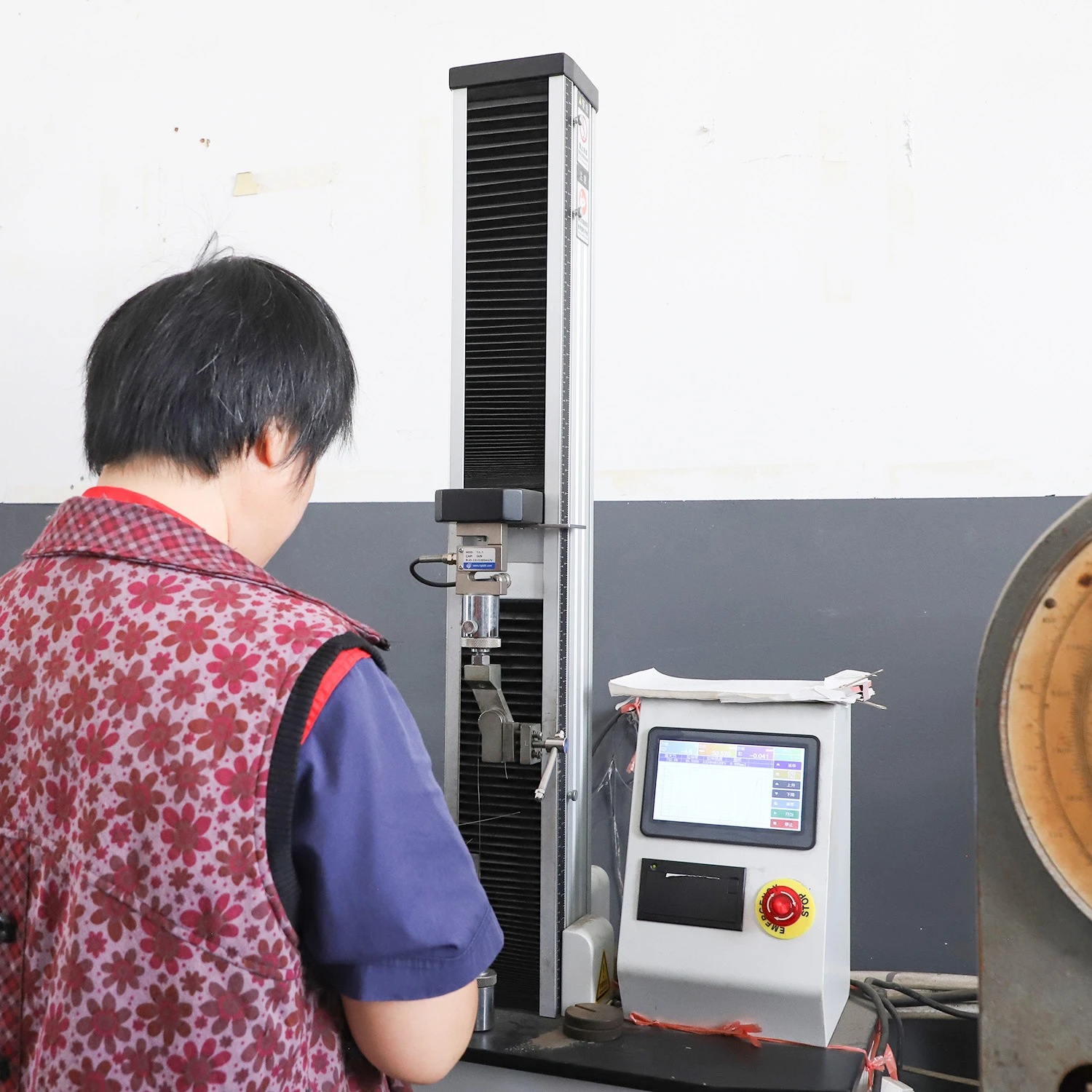
Step 3: Request a Breaking Force Test Report
A breaking force test report provides stronger evidence than a product description alone.
Check whether the report includes:
Tested rope construction and diameter
Sample identification
Testing date
Measured breaking force
Test method or applicable standard
Testing equipment or laboratory information
Make sure the tested sample corresponds to the product you intend to purchase.
Step 4: Verify the Test Certificate and Traceability
For bulk orders, request a product certificate or inspection document that can be linked to the supplied batch.
Check the following details:
Manufacturer information
Certificate number
Product designation
Minimum breaking force
Issue date
Relevant test results, where provided
Under ISO 2408, certificate information and test result reporting are addressed as part of the requirements for steel wire ropes.
Step 5: Arrange Independent Testing When Necessary
For large-volume, high-value, or safety-critical purchases, buyers may consider third-party inspection or independent testing.
The testing plan should be agreed upon before production or shipment, including sample selection, test method, acceptance criteria, and responsibility for testing costs.
ISO 3108 provides a test method for determining the measured breaking force of steel wire ropes.
MBL and WLL are two important terms in wire rope purchasing, but they describe different things.
| Term | Meaning |
|---|---|
| MBL / MBF | Minimum breaking load or force specified for the rope |
| WLL | Working Load Limit permitted for a defined application |
| Safety Factor | Ratio used in determining allowable working load |
In simplified terms:
WLL = Breaking Force ÷ Design Factor
For example, if a rope has a minimum breaking force of 100 kN and an applicable design factor of 5, the calculated value would be 20 kN.
This is only an illustrative calculation. The correct design factor depends on the application, equipment, applicable standards, and relevant regulations.
Never use the MBL directly as the working load.
Before placing a large steel wire rope order, use this checklist:
| Inspection Item | What to Confirm |
|---|---|
| Product specification | Diameter, construction, core type |
| Strength grade | Required tensile strength |
| MBL / MBF | Meets the specified minimum value |
| Test documentation | Relevant breaking force test report |
| Product certificate | Batch identification and traceability |
| Quality inspection | Diameter, surface, and manufacturing consistency |
| Packaging | Reel or coil requirements and product labels |
For bulk purchasing, it is also important to agree on inspection frequency and acceptance criteria before production begins.
A clear technical agreement helps prevent specification differences, documentation issues, and delivery disputes.
01.What does MBL mean in steel wire rope?
02.Is MBL the same as WLL?
03.Which standard is used to test steel wire rope breaking force?
04.Should I request an MBL test report before buying wire rope in bulk?
Conclusion
Verifying minimum breaking load is an important step when sourcing steel wire rope in bulk.
Before purchasing, confirm the complete rope specification, compare the required MBL with the technical datasheet, review test reports, and check product traceability.
Most importantly, remember that MBL is not the same as working load. The correct rope must meet both the required breaking force and the mechanical demands of its intended application.
Working with an experienced manufacturer and agreeing on clear inspection requirements can help buyers reduce sourcing risks and maintain consistent product quality.

Contact us to discuss your requirements and request product information or a quotation.
Our address