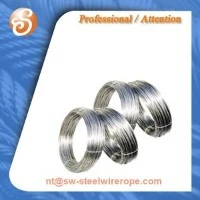
If you’ve ever worked with fencing, construction materials, or even small craft projects, chances are you’ve come across galvanized steel wire—even if you didn’t know it by name. As a supplier of steel wire products, I get a ton of questions from folks who are new to the game: What is it, exactly? Why does it matter so much more than regular steel wire? And what’s the difference between the various types we keep in stock? Let’s break this down like I would when explaining it to a customer browsing our catalog for the first time, no stuffy jargon, just straight-up answers.
First, let’s start with the basics: galvanized steel wire isn’t some random metal wire with a fancy label. At its core, it’s regular carbon steel wire that’s been coated with a layer of zinc to protect it from rust and corrosion. Wait, “how does that work?” I hear you ask. Let’s keep it simple: steel, when exposed to moisture, salt, or even just damp air, oxidizes over time—aka that brown, crumbly rust that eats away at metal. That rust weakens the wire, makes it brittle, and eventually, it breaks. The zinc coating? It acts like a shield. Even if a tiny scratch damages part of the zinc layer, the zinc actually reacts with oxygen and moisture before the steel does—this is called “sacrificial protection,” which means it takes the hit so the underlying steel stays safe. That’s the whole point of the galvanizing process, and it’s a game-changer for any outdoor or high-humidity use.
Now, let’s talk about how that galvanized coating gets applied, because that’s where two of the most common types come from: hot-dip galvanizing and electro-galvanizing. I see customers mix these up all the time, so let’s clear that up. Hot-dip galvanizing is exactly what it sounds like: you clean the steel wire thoroughly to remove any dirt, oil, or mill scale, then dunk it straight into a vat of molten zinc (super hot, like 840°F hot). When the wire comes out, the zinc has chemically bonded to the steel surface, creating a thick, durable coating that’s way more resistant to heavy wear, harsh weather, and corrosive environments like coastal areas (where salt air is a nightmare for uncoated steel). That’s the type I’d point you to if you need something for outdoor fencing, farm equipment, or marine applications—we even have a specific option here: High-Tensile Hot-Dip Galvanized Steel Wire (1.0mm - 4.5mm) with Heavy Zinc Coating, built for when you need that extra layer of protection. It’s thicker, longer-lasting, and handles abuse way better than electro-galvanized wire.
Electro-galvanizing, on the other hand, is a more precise, lower-temperature process. Instead of dunking the wire in molten zinc, you run a mild electric current through a solution of zinc salts and the wire. That deposits a thinner, more uniform zinc coating on the steel surface. It’s cheaper, works great for smaller wires or projects where aesthetics matter (like if you’re making craft items or light-duty indoor fasteners), but it’s not as tough as hot-dip. For example, our 2.5mm Electric Galvanized Steel is perfect for applications where you don’t need to beat the hell out of the wire, but you still want basic rust protection without breaking the bank. That’s a big one for folks working on small construction jobs, DIY projects, or even as a component in other products.
Wait, but galvanized steel wire isn’t one-size-fits-all, right? That’s where we get into specialized types that serve totally different purposes. Let’s talk about two that come up a lot for our industrial customers: galvanized spring steel wire and high tensile steel wire for optical fiber cable strength member. Galvanized spring steel wire, as you can probably guess, is made specifically for making springs—coils that need to bounce back, hold tension, and resist corrosion. Regular steel wire would rust and lose its spring over time, but the zinc coating keeps it working for years, even if it’s exposed to humidity. Then there’s that optical fiber cable wire—those cables you use for internet and TV? They have a thin steel core inside, usually made of high tensile steel wire, to keep the fiber optic strands straight and protected from stretching or being pulled too hard. Without that galvanized steel core, the fiber would break super easily, leaving you with no internet. That’s a small but critical part of modern telecom infrastructure.
Another popular type we get requests for is 0.37mm High Carbon Steel Wire. High carbon steel is stronger and stiffer than regular low carbon steel, so a thin 0.37mm wire can hold a surprising amount of tension. The galvanized coating on top means it’s not going to rust if it’s used for things like wire brushes, mesh screens, or even small craft wires. It’s thin, precise, and durable—perfect for applications where you need strength in a small package.
Now, let’s address a common question I get: “Is galvanized steel wire the same as stainless steel wire?” Nope, not even close. Stainless steel has chromium added to it, which creates a protective layer, too. But it’s way more expensive, and for most applications, the zinc coating on galvanized wire does the exact same job at a fraction of the cost. I always tell customers: if you’re using it for a temporary outdoor fence, wire mesh for a garden, or a general-purpose fastener, galvanized is the way to go. If you’re working on something super high-stakes, like a medical device or a marine buoy that needs to last 20+ years, maybe stainless is worth it—but 9 times out of 10, galvanized steel wire will check all the boxes.
Let’s talk about real-world uses, because that’s where people see why galvanized steel wire matters. Farmers use it for fence wire—no more worrying about deer breaking through because the wire rusted and snapped after a year. Construction teams use it for rebar ties, binding steel beams together. DIYers use it for hanging plants, making wire sculptures, or even securing items during a move. Even manufacturers use it to make wire clotheslines, hardware cloth, and a bunch of other everyday products. The zinc coating is the secret that makes all that possible, even when the wire is exposed to the elements.

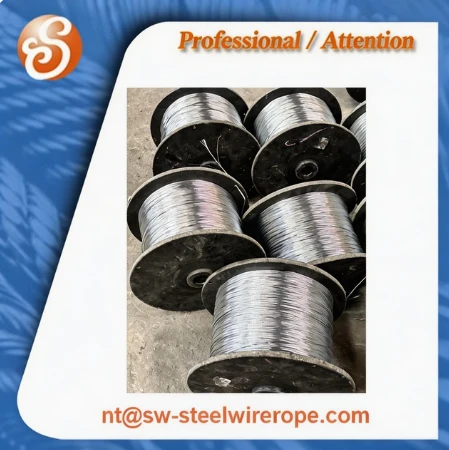
Wait, another thing to note: the thickness of the zinc coating is measured in grams per square meter, and that’s a big factor in how long the wire will last. For example, the hot-dip wire I mentioned earlier has a heavy zinc coating—usually around 275 grams per square meter—so it can last 10 to 15 years outdoors without much wear. Electro-galvanized wire is usually around 90 grams per square meter, so it’s good for 3 to 5 years in mild conditions. That’s a key difference to keep in mind when you’re picking the right product for your project; I always ask customers where the wire will be used for exactly that reason.
Now, as a supplier, what does that mean for you? We don’t just sell generic galvanized steel wire—we stock all these specialized types, so you don’t have to hunt around for something specific. Whether you need a tough hot-dip wire for farm fencing, a precise electro-galvanized wire for a small project, or a thin high carbon wire for a specific part, we’ve got it. If you’re not sure which one you need, just reach out—we’re here to help you pick the right fit, not push a product that doesn’t work for you.
I should also mention a common misconception some people have: galvanized steel wire can be painted, but you have to prep the right way. The zinc coating is smooth, so paint won’t stick well unless you use a special zinc primer first. But for most uses, you don’t need to paint it—its natural silver-gray zinc finish is pretty durable, and it blends in fine for outdoor projects. If you do want to paint it, just make sure to follow the prep steps, but that’s a topic for another blog post.
So to wrap this up: galvanized steel wire is carbon steel wire with a zinc coating that protects against rust and corrosion. It comes in two main types (hot-dip and electro-galvanized) for different needs, and there are specialized versions for springs, telecom cables, high-stress applications, and more. It’s cheaper and more versatile than stainless steel, making it the go-to for millions of projects every year.
If you’re in the market for galvanized steel wire, no matter what your project is—whether it’s a farm fence, a craft project, a telecom installation, or construction materials—we’ve got the products you need. Browse our range to find the exact type that fits your needs, or reach out to us to discuss your requirements. We’re here to help you get the right wire for the job, no guesswork involved.
References
- "Galvanized Steel Wire: Manufacturing, Properties, and Applications". Steel Manufacturers Association, 2022.
- "Corrosion Protection in Steel Wire Products". International Wire & Cable Symposium, 2021.
- "High Tensile Steel Wire for Telecommunications Infrastructure". Fiber Optic Association, 2023.
- "Electro vs. Hot-Dip Galvanizing: Key Differences". American Galvanizers Association, 2022.
- "Specialized Steel Wire Products for Industrial and Commercial Use". Global Steel Wire Association, 2023.