📌 Introduction
Choosing the right steel wire rope for lifting is more important than many people realize.
Different lifting applications require different constructions, strengths, flexibility levels, and surface treatments.
Using the wrong wire rope may lead to reduced service life, unstable lifting performance, or even safety risks.
In this guide, we'll explain the key factors buyers should consider before selecting a lifting wire rope.

🏗️ Common Types of Steel Wire Rope for Lifting
Different constructions are designed for different lifting environments.
Common constructions include:
6×19 → Higher abrasion resistance, commonly used for general lifting
6×24+7FC → More flexible and stable, suitable for lashing and transport
6×36WS → Better flexibility for repeated bending applications
18×7 Non-Rotating Rope → Used for cranes and high lifting heights
👉 Choosing the correct construction helps improve both safety and efficiency.


⚙️ 1. Understand the Lifting Application
Before choosing wire rope, first consider:
What will be lifted?
What is the load weight?
How often will the rope bend?
Indoor or outdoor use?
For example:
Construction lifting usually requires stronger abrasion resistance
Crane applications may require non-rotating wire rope
Outdoor lifting often uses galvanized wire rope for corrosion protection
🔍 2. Choose the Right Diameter
Wire rope diameter directly affects breaking strength and flexibility.
Smaller diameters are more flexible, while larger diameters provide higher load capacity.
Common lifting diameters include:
6mm
8mm
10mm
12mm
👉 The correct diameter should always match the working load requirement.


🧵 3. Fiber Core vs Steel Core
There are two common core types:
Fiber Core (FC)
Better flexibility
Lighter weight
Suitable for general applications
Steel Core (IWRC)
Higher strength
Better crush resistance
Longer service life under heavy loads
👉 Heavy lifting applications usually prefer steel core wire rope.


🌧️ 4. Galvanized or Stainless Steel?
Environment matters when selecting lifting rope.
Galvanized Wire Rope
Cost-effective
Good anti-rust performance
Suitable for outdoor lifting
Stainless Steel Wire Rope
Excellent corrosion resistance
Ideal for marine or humid environments
Higher cost
🛢️ 5. Pay Attention to Surface Condition
Many buyers today prefer:
Low-oil surface
Clean appearance
Smooth handling
Stable structure without loose strands
A cleaner surface is easier to handle during lifting and packaging operations.


📦 Packaging Options
Different lifting projects require different packaging methods.
Common packaging options:
Coil → Suitable for short lengths
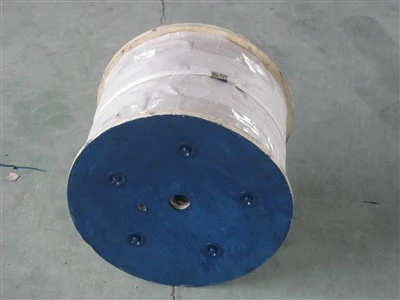
Wooden Reel → Better for long-distance transportation
Plastic Reel → Small retail packaging
Custom labels and OEM packaging are also available.


📌 Conclusion
Choosing the right steel wire rope for lifting depends on several factors:
Application
Load capacity
Rope construction
Core type
Environment
Packaging requirements
There is no "one rope fits all" solution.
The right selection improves lifting safety, efficiency, and product lifespan.

❓ Common Problems (FAQ)
1. Which wire rope is best for crane lifting?
Non-rotating wire rope is commonly used for crane lifting applications.
2. Is fiber core or steel core better for lifting?
Steel core is generally preferred for heavier lifting due to higher strength.
3. Can galvanized wire rope be used outdoors?
Yes, galvanized wire rope provides good corrosion resistance for outdoor use.
4. How often should lifting wire rope be inspected?
Wire rope should be inspected regularly for wear, deformation, corrosion, or broken wires.

📞 Contact Us
If you are looking for steel wire rope for lifting applications, feel free to contact us with your specifications.
📧 Email: nt@sw-steelwirerope.com
📱 WhatsApp: +86 13708399562
🌐 Website: https://nt-shenweiwirerope.en.made-in-china.com/