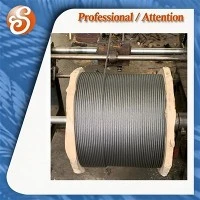
Picture your crew at the yard. You need to lift a two-ton machine. Someone points to a coil of 1/2-inch wire rope. Another guy suggests 3/4-inch. Who's right? Guessing is expensive and dangerous. This is exactly why a reliable lifting rope diameter and capacity chart isn't just a paper-it's your first tool for the job.
A proper chart gives you a direct match. You find the weight you need to lift in pounds or tons on one side. Your eyes move across, and it shows you the correct rope diameter in inches. This simple link tells you the minimum size for a safe, straight lift. A 3/4-inch rope doesn't just look thicker than a 1/2-inch; its working load limit is significantly higher. The chart removes the debate and shows you the factual, engineered standard for safe operation.
Using rope thinner than the chart recommends for your load is a direct risk. Using rope thicker than necessary costs you extra dollars in material without a good reason. We provide this clear chart for free because we see what happens without it. A good chart accounts for the rope's construction and grade, giving you a true number you can trust before you even check the price per foot. It turns a critical decision into a quick, confident look-up.
Stop estimating strength by sight. Get the right tool for the job, starting with the right information. Keep our free diameter and capacity chart in your truck or on your workshop wall. For your copy and to see our stocked lifting ropes with clear USD pricing, visit us online or call our counter today. Lift by the numbers, not by guesswork.