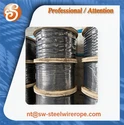
Tower cranes are common construction site equipment used for the erection, dismantling and transportation of high-altitude buildings. The steel wire rope for lifting materials in tower cranes is an important component of tower cranes, directly related to the safety and efficiency of their use. The selection and application of steel wire rope specifications for tower crane material handling is important knowledge that construction site managers and engineers need to understand.
1,Selection of Steel Wire Rope Specifications for Tower Crane Material Lifting
The selection of the specification of the steel wire rope for lifting materials in tower cranes depends on multiple factors, including the model of the tower crane, the weight to be lifted, the distance and height of lifting, and environmental conditions, etc. When choosing the specifications of steel wire ropes, the expected hoisting weight and length, as well as the load-bearing capacity and corrosion resistance of the steel wire ropes, should be taken into consideration. The selection of steel wire ropes should not only meet the usage requirements but also comply with relevant safety standards and regulations. When choosing a steel wire rope, also need to consider their durability and service life. The service life of steel wire ropes is influenced by multiple factors, including usage frequency, usage environment, and maintenance. If the service life is too long, it should be replaced in time to avoid potential safety hazards.
2,Use of Steel Wire Ropes for Lifting Materials in Tower Cranes
The use of steel wire ropes for lifting materials in tower cranes requires certain skills and precautions. First of all, when installing the steel wire rope, attention should be paid to the bending radius of the steel wire rope, which must not exceed the specified value. If the bending radius of the steel wire rope is too small, it will lead to a shortened service life of the steel wire rope and may even cause it to break. Second, in the use of steel wire rope, should avoid kinking, wear and tear, stretching, and other issues. The kinking of steel wire ropes can cause torque, which in turn affects the hoisting efficiency and safety of tower cranes. The wear and stretching of steel wire ropes will reduce their load-bearing capacity and safety.
3,Maintenance and Care of Tower Crane Material Lifting Steel Wire Ropes
The maintenance and care of the steel wire rope used for lifting materials in tower cranes have a significant impact on its service life and safety. During use, regular inspection and maintenance of the steel wire rope should be carried out. When inspecting, pay attention to problems such as wear, kinking and stretching of the steel wire rope, and replace or repair the damaged steel wire rope in time. Wire rope during storage, should be placed in dry and ventilated place, and keep it clean and smooth. During storage and use, it is necessary to avoid friction between the steel wire rope and hard objects to prevent wear of the steel wire rope.
4,Precautions for the Use of Tower Crane Material Lifting Steel Wire Ropes
Material steel wire rope in use of tower crane, also need to pay attention to the following: 1. Shall carefully check the status of a steel wire rope, before assembly to ensure that the requirements are met. 2. In the process of hoisting, should avoid wire rope friction with other object, avoiding the problem such as wear and stretch. 3. In the process of hoisting, should avoid the bending radius of wire rope is too small, avoid even the appearance of fracture. 4. When storage wire rope, avoid direct sunlight and rain should be paid attention to.
5,Conclusion
Tower crane material lifting steel wire ropes are important equipment used on construction sites, and their selection and application have a significant impact on the safety and efficiency of construction sites. Choosing the appropriate specification of steel wire rope, using it correctly and maintaining it properly can effectively extend the service life of the steel wire rope and ensure the safety and efficiency of construction sites.