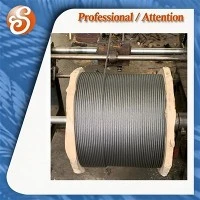
Wire rope slings are essential tools in many industries, but using them safely requires regular checks. A clear inspection plan covers three main stages: before use, during use, and periodic checks. This ensures the sling body, connectors, and working environment are safe.
Before lifting, perform a quick 5-minute visual check. Look for broken wires, wear, kinks, crushing, or heavy rust. Check connectors like shackles and hooks for cracks or deformation. Make sure safety latches or pins are intact. Always confirm the sling's rated load capacity is higher than the actual load weight. Never use a sling if its tag is missing or unreadable.
During use, watch the sling closely. If the load swings, shakes, or tilts, stop the lift. Ensure the sling doesn't rub against sharp edges and that protective pads stay in place. In harsh environments like high heat or corrosive areas, check for discoloration or rapid rusting. Avoid contact with sharp objects or live electrical equipment.
Weekly detailed inspections are recommended. Measure broken wires within one rope strand-no more than 5 breaks per strand or 10 in total. Check diameter wear; it should not decrease more than 10%. Look for light rust that can be wiped off, not deep pitting. Inspect shackle pins for looseness and hooks for deformation-hook throat opening should not increase beyond 15% of the original size. All safety latches must work properly.
Following these simple steps helps extend sling life and prevents workplace accidents. Regular inspection keeps your team safe and operations running smoothly.